
+977 9851094739 surgiworld2021@gmail.com 3rd Floor, Prabhu Bank Building, Sinamangal-9, Kathmandu 44600, Nepal
A practical checklist for surgeons and procurement teams building instrument sets for a new OT — from steel grade to tray planning.
Equipping a new operation theatre is one of the biggest purchasing decisions a hospital makes. The right instruments improve surgical outcomes, reduce delays and last for years; the wrong ones blunt quickly, corrode and need constant replacement.
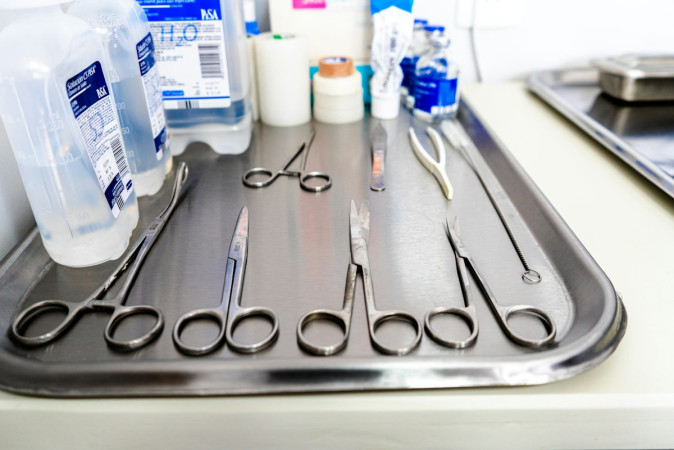
List the procedures your theatre will perform most often — general surgery, caesarean sections, orthopedics, ENT — and build standard trays around them. A basic major tray, a minor tray and specialty sets are usually the core.
Box-lock joints should move smoothly without play, ratchets should engage cleanly, and jaw tips must meet perfectly. Ask your supplier for samples before placing a large order.
Make sure every instrument can withstand repeated autoclave cycles at 134°C, and plan enough duplicate sets so one can be reprocessed while another is in use.
Look for batch traceability, documentation and after-sales repair. At Surgi World we help hospitals plan complete tray lists and keep spare stock ready for urgent needs.